
Why KPI projects often fail
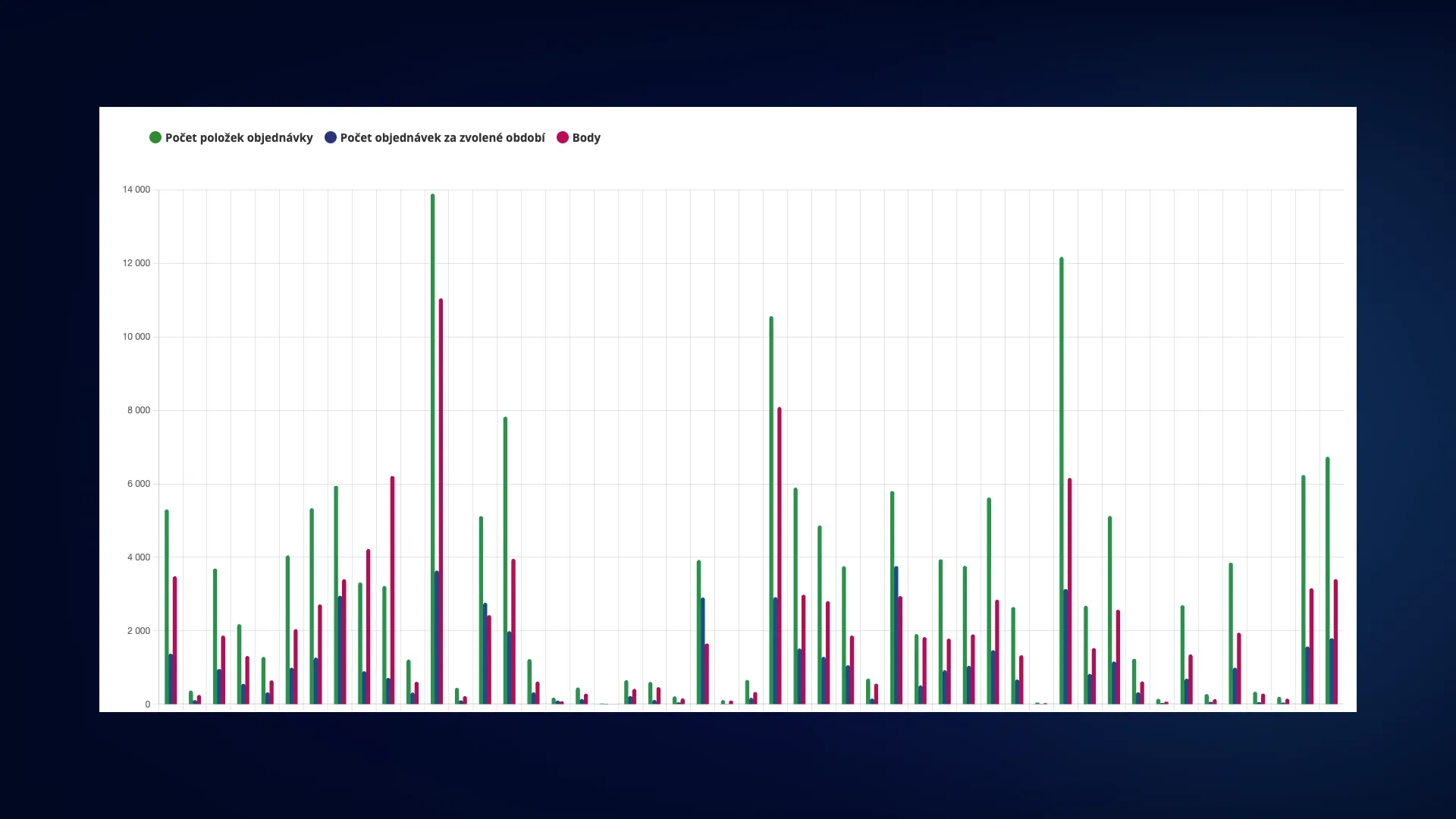
Many warehouses measure only the simplest thing available: pieces or time. That looks objective, but it often creates resistance because not every warehouse task has the same difficulty.
One operator may complete a simple repetitive pick. Another may solve a multi-step process with checks, responsibility and more movement. If both are measured as if the work were identical, the system feels unfair.
What fair KPI design looks like
Good KPI management in logistics has three characteristics:
- it is transparent,
- it is based on data,
- it reflects process difficulty, not just raw volume.
That is the important lesson from the publicly shared Logisio case around KPI measurement. The value was not only in measuring people. The value was in measuring them in a way that made operational and human sense at the same time.
What happens when people trust the rules
If operators understand how performance is calculated, three things usually happen:
- rules stop feeling arbitrary,
- rewards become easier to defend,
- performance improves more naturally.
This matters commercially too. A warehouse that measures well manages better. A warehouse that manages better scales with fewer conflicts and less hidden cost.
Where Smartbox supports this logic
Pick to Light does not only accelerate picking. It also creates cleaner execution data.
Each confirmation can become a reliable input for KPI evaluation:
- completed pick,
- completion time,
- exception handling,
- throughput by zone or workstation,
- training ramp-up for new operators.
That means performance conversations can move away from opinion and toward evidence.
Practical KPI areas worth tracking
- picks per hour by process type,
- error rate by zone,
- training time to independent performance,
- waiting time between tasks,
- travel intensity in mobile workflows,
- throughput at sortwall or kitting stations.
Not every warehouse needs all of them. But every warehouse should track something more useful than just total volume.
The business impact
Fair measurement helps in two directions at once:
- management gets a better operational picture,
- teams see that stronger output is noticed and rewarded appropriately.
That combination is rare, and it is one of the reasons why KPI design should be treated as part of process engineering, not only HR reporting.
Bottom line
If you want a faster warehouse, do not measure only how much work was done. Measure what type of work it was, how hard it was, and where the process creates friction.
That is where KPI becomes a business tool, not a control tool.